

Reader: I manage our implementation team of 10+ people, and, in the past six or so months, there’s been an interesting phenomenon unfolding. Between December and June, I will have graduated four members from my team to other parts of the organization. They’re being poached by my colleagues to work in Product Marketing, Product Management, Account Management, and more.
I’m going to experience brain drain, but I’m also patting myself on the back because I know I set a good example for how to work cross-functionally, acknowledged the strengths of my team, and pushed them to expand their abilities beyond their direct role. I think that makes me a decent manager, or at least I’m good at hiring.
Informally, it’s been recognized in passing, like ‘Wow, you’re sending great people everywhere,’ but nothing formal in reviews yet. I have a good relationship with our C-Suite, and there’s been some laughs about the fact that they're taking all my best employees.
But this leads me to two questions:
How do I market this ability to develop talent, without taking away from the innate abilities of my employees?
In a performance review or compensation discussions, I need to be able to leverage this in a tasteful and thoughtful way: how?
- Colin F
I’m back on Truth, Lies & Work to help them celebrate their 300th episode!

Jake: The paradox of being a talent magnet is that you make your own life harder when you frequently graduate great people!
Your first question raises a subtle point, which is that in practice, it can be hard to distinguish how much of an accomplishment is a product of innate talent or developed capability. But frankly, so long as you’re focused solely on the specifics of what you did to hire and then develop talent, I wouldn’t worry too much about your self-advocacy coming across as egotistic. And that specificity is the difference-maker. Focus on how you hired well, enumerate the discrete actions you take in small moments that grow talent, etc. If you’re genuinely talking about actions attributable to you, it won’t feel like you’re taking credit for your employee’s talent. Because you aren’t.
And the specifics also relate to your second question. The more (specifics) you can muster, the more you can credibly leverage your talent development skills. I would think about preparing for your performance review in two ways.
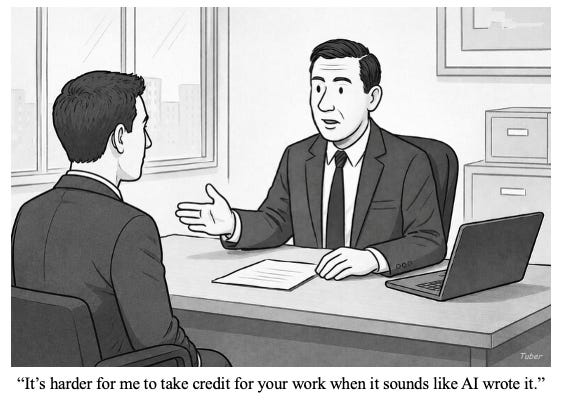
First, think of your review as an exercise in arming your own manager with the data points to back up what has already been loosely acknowledged. What bullets can you hand them on a silver platter that make the case for your advancement without having to allude to purely anecdotal or ethereal notions of “being a good manager”?
Second, make the formal performance conversation into an aggressive request for more resources (people). Try pre-empting the conversation with your own version of something like this: “It’s been a highlight that so many of the people I’ve hired and developed have moved up elsewhere in the organization. But the result is that my team is under-resourced to accomplish our goals going forward. I want to make sure that we are given enough resources to both meet our goals and also account for our team being a developmental hub for the organization.”
I would also start marketing yourself as someone who has a track record of developing talent. On your LinkedIn ‘About Me’ section (yes, I know, ugh), highlight stats that showcase your managerial capabilities. Emphasize your passion for developing people throughout your bio. As painful as the idea of having a ‘brand’ may be, everyone has one (like it or not), so lean into it with grace and honesty.
In general, it sounds like the brain drain you’ll experience from losing your people puts you on defense. So play offense. Rather than just trying to get back to “neutral”, advocate for getting further ahead. Ask for more responsibility and more talent to grow. Right now, you’re experiencing a deficit, but it’s because of your strengths as a manager. Lean into those and insist the organization catapults you further ahead in the coming months.
That’s it for this edition - please reach out if I can be at all helpful.
Be compassionate and deliberate.